Space Technology
India’s $44 Billion Space Opportunity: Why the Breakthrough is Happening on the Ground

Aze Zunnisa
May 11, 2026
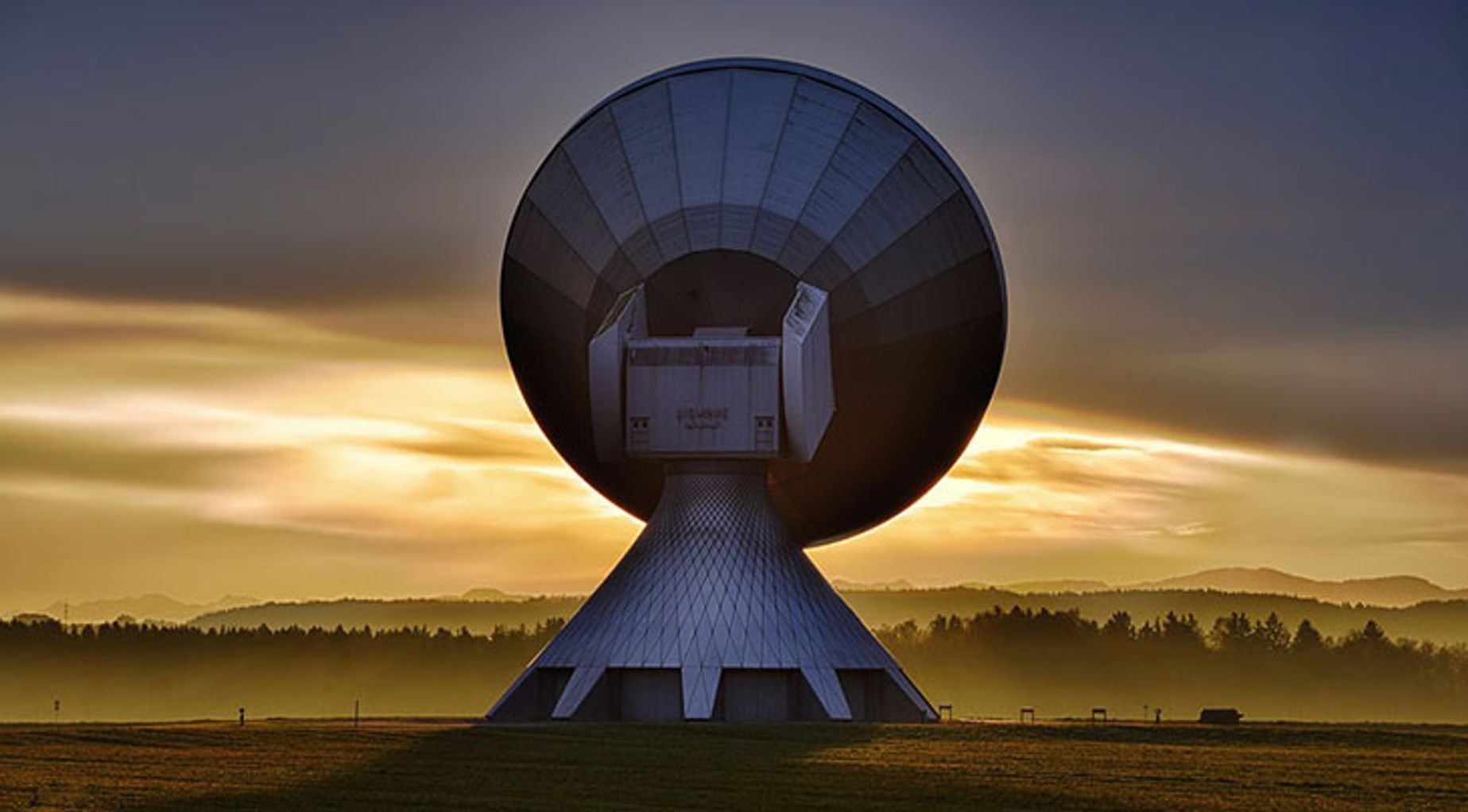
India’s $44 Billion Space Opportunity: Why the Breakthrough is Happening on the Ground
The global space race has a new frontrunner, and it isn’t just about who can launch the heaviest rocket. It’s about who can handle the data.
The Giant Leap: From $8.4B to $44B
India’s space economy is currently undergoing a massive transformation. What was once a sector defined by government-led prestige is now a commercial powerhouse. With the market projected to surge from $8.4 billion to $44 billion by 2033.
This isn't just speculation; according to official reports from the PIB release regarding India's decadal space strategy, the government is actively pushing for a significant increase in the global space market share. This growth is being fueled by a shift toward a commercially driven ecosystem where private players handle everything from launch to data orchestration.
The "Ground" Bottleneck
Currently, ground access is one of the bottlenecks of real-time space operations. Satellite technology is scaling much faster than the physical infrastructure needed to operate them.
For many operators, this leads to:
- Fragmented Networks: Difficulty in accessing critical data when and where it's needed.
- Data Delays: Significant lags in telemetry, command, and data downloads.
- Operational Costs: Higher expenses and reduced mission efficiency due to delayed decision-making.
GSaaS: The "Cloud" for the Stars
To meet this $44 billion opportunity, India’s ground systems must evolve. The solution lies in Ground-Station-as-a-Service (GSaaS)-a distributed, smart network architecture that treats ground segments like cloud computing.
By shifting to a distributed ground-segment architecture, the industry can achieve:
- On-Demand Access: Global ground station availability without the need for operators to build their own hardware.
- AI-Driven Efficiency: Using AI for pass scheduling and node selection to ensure near real-time data flow.
- Cost-Efficient Scaling: A usage-based model that allows startups and research teams to scale without massive upfront capital.
The View from the Ground
The future of the Indian space economy is real-time. With LEO satellites growing at a 20% CAGR, the demand for seamless, smart ground access is no longer a luxury-it’s a necessity.
As we build the infrastructure layer for next-generation space data, the focus is shifting. The real breakthrough isn't just happening in orbit; it's happening right here on the ground
India's Space Economy: $44 Billion Target by 2033
- Space Economy
- Ground Infrastructure
- GSaaS
- Space-Tech Innovation
- SpaceEconomy